Restoring a swimming pool offers the opportunity to revitalize your outdoor space, promote safety, and even boost your property’s value. Effective restoration means more than a fresh coat of paint. Today’s best practices address efficiency, environmental impact, and long-term maintenance so your pool always looks and functions at its best. For those looking to explore their restoration options further, you can learn more about comprehensive pool renovation services online.
From the first inspection through to regular upkeep, every stage of modern pool restoration involves thoughtful decisions. Making the right choices ensures your backyard retreat remains a place of relaxation and entertainment rather than frustration and expense. With advanced technology, eco-friendly options, and design upgrades, restoring your pool can provide years of worry-free enjoyment.
Table of Contents
Assessing the Current Condition
Every successful modern pool restoration starts with a comprehensive assessment. Carefully inspect the pool’s structure for visible cracks, leaks, or signs of water loss. Check plumbing and electrical systems to ensure functionality and safety. A thorough review of these areas helps identify hidden issues that need attention before starting any significant upgrades. Engaging a certified pool inspector is wise if you’re unsure about the state of your system.
Upgrading to Energy-Efficient Equipment
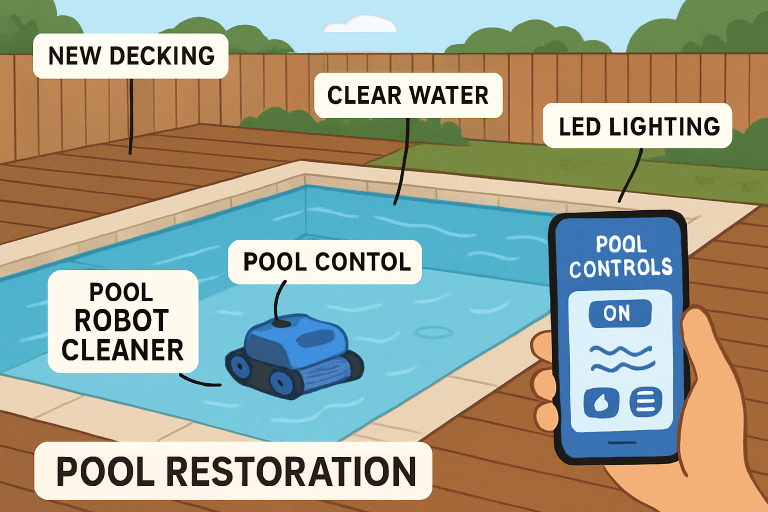
Modern pool equipment can dramatically lower your energy usage and reduce long-term costs. Replacing outdated pumps and heaters with high-efficiency variable-speed models pays off through energy savings and quieter operation. For lighting, switching to LED fixtures reduces power consumption while creating a more inviting atmosphere at night. According to the U.S. Department of Energy, these technologies can help homeowners save significantly on utility bills each year. Learn more about energy-efficient pool upgrades at energy.gov.
Incorporating Eco-Friendly Materials
Eco-conscious pool restoration involves more than simply upgrading pumps or filtration systems; it also requires thoughtful material selection that reduces environmental impact. Choosing recycled glass tiles, sustainably harvested timber, or responsibly quarried natural stone for pool finishes and decking can significantly lower your project’s carbon footprint. These durable materials not only extend the life of your pool but also enhance its aesthetic appeal with modern, elegant textures. Additionally, opting for water-based pool paints and low-VOC finishes helps limit harmful emissions, improving air quality and creating a healthier outdoor environment for your family and guests.
Enhancing Safety Features
Safety is a top priority during pool restoration, particularly for families with young children or elderly members. Upgrades such as anti-slip surfaces on decks, compliant drain covers, and four-sided fencing fitted with self-latching gates all contribute to accident prevention. Incorporating handrails, pool alarms, and LED step markers increases accessibility and awareness around the pool perimeter. Regular inspection of these features and adherence to local safety regulations ensure ongoing protection. For information and guidelines, the CDC offers valuable insights into pool safety standards at cdc.gov.
Integrating Smart Technology
Innovative pool technology streamlines operation and makes pool management easier than ever before. Automation systems allow users to control filtration, heating, and lighting from a mobile device or smart home system. Automated chemical dispensers and robotic cleaners maintain water clarity and sanitation with minimal manual intervention. These innovations not only save time but also promote consistent pool care, reducing the risks of algae growth and equipment wear. The ability to monitor and adjust your pool’s environment remotely adds unmatched convenience for busy homeowners.
Modernizing Pool Finishes
Upgrading your pool’s interior finish can give the entire area a renewed sense of luxury and comfort. Contemporary finishes such as polished aggregate, pebble, or high-end glass tiles provide excellent durability and striking aesthetics. Available in a wide range of textures and colors, these materials offer personalized design options that suit your taste and landscape. Beyond appearance, modern finishes are engineered to resist staining, scaling, and fading, offering lower maintenance requirements and lasting value.
Updating Decking and Surroundings
The deck and surrounding landscape play a significant role in your pool’s overall appeal and usability. Consider replacing cracked or outdated surfaces with slip-resistant options like pavers, travertine, or stamped concrete, which enhance both safety and aesthetics. Adding custom features such as Baja shelves, built-in seating, or tanning ledges increases functionality and creates distinct spaces for relaxation. Thoughtful landscaping with native plants and energy-efficient lighting can complete the transformation, seamlessly connecting the pool to your backyard oasis.
Regular Maintenance and Care
A proactive maintenance routine is the key to preserving your restored pool’s beauty and performance. Establishing a schedule for brushing, skimming, and vacuuming prevents algae buildup and keeps surfaces sparkling. Testing water regularly ensures balanced chemistry, reducing the risk of equipment corrosion or swimmer discomfort. Perform routine inspections of pool equipment and safety features to catch issues before they require major repairs. By maintaining steady care habits, costly surprises can be avoided, and your pool will remain an asset you can rely on.
By following these best practices for modern pool restoration, you can enjoy a revitalized pool that is safe, efficient, stylish, and ready for years of enjoyment. Regularly updating both systems and surfaces will keep your pool a source of pride for your home and a favorite gathering spot for family and friends.