Efficient shipping strategies can make or break a small business. With tight margins and fierce competition, business owners need practical solutions that save time and cut costs while still meeting customer expectations. Creating a streamlined approach to shipping lets you focus on growth rather than getting bogged down in manual processes. Leveraging the right tools and partnerships, such as UPS accounts for a small to medium sized business, can further improve your logistics operations and give you access to competitive shipping rates and reliable service.
Optimizing your shipping workflow not only reduces costs but also enhances the customer experience. Today’s consumers expect prompt, accurate deliveries, and choosing the right mix of automation, outsourcing, and in-store pickups will help you deliver on these expectations. Whether you are fulfilling a handful of orders or processing hundreds a week, there are proven methods every small business can use to simplify shipping and scale efficiently as you grow.
Table of Contents
Implement Shipping Software
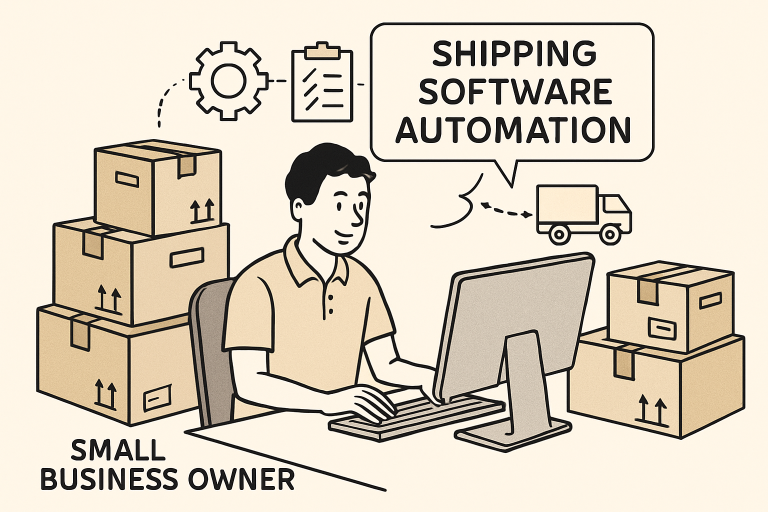
Shipping software is a foundational tool for modern small businesses. By automating repetitive tasks such as label generation, address validation, and order tracking, you drastically reduce human error and free up valuable time. Solutions such as Rollo and ShipStation integrate with popular e-commerce platforms to automate your workflow and offer seamless access to discounted shipping rates. According to Forbes, implementing shipping software can lead to faster deliveries and greater customer satisfaction, making it an essential upgrade for growing companies.
Shipping solutions also centralize shipping data, making it easy to manage your inventory and monitor each shipment in real-time. Automating notifications and return processing ensures customers are always informed, reducing inquiries and return-related disputes. By choosing the right software, you can easily scale your shipping operations and keep up with higher order volumes during seasonal surges.
Negotiate with Multiple Carriers
Working with several shipping carriers gives your business flexibility while driving down costs. By comparing options from carriers like UPS, FedEx, and USPS, you can find the best rates for various package sizes, destinations, and delivery speeds. This approach also serves as an insurance policy during peak shipping times or potential delivery disruptions, allowing you to shift volume as needed without impacting customers.
Negotiating with carriers is more effective if you consolidate your shipments and periodically review your shipping volume with each provider. Even small businesses can unlock better rates by demonstrating consistent shipping activity or by joining business shipping programs. Use annual or biannual negotiations to keep your shipping costs in check, ensuring savings are always passed along to your bottom line. Guidance from resources like Wise can help you approach negotiations with confidence and clarity.
Outsource Fulfillment
Managing picking, packing, and shipping in-house might work for startups, but it can quickly become overwhelming as orders grow. That is where third-party logistics providers (3PLs) come into play. 3PLs handle warehousing, inventory management, and all aspects of order fulfillment, freeing you to focus on product development and customer relationships. This option is especially valuable for businesses with limited staff or space, as well as those with ambitions to serve a national or international customer base.
Outsourcing fulfillment reduces your overhead, slashes shipping times by routing orders through multiple distribution centers, and provides access to advanced tracking technologies. Experts suggest that outsourcing is beneficial for businesses seeking to maintain flexibility while expanding into new markets, as this comprehensive overview from Forbes Advisor explains.
Leverage Data Analytics
Analyzing your shipping data can uncover patterns and inefficiencies that are easily missed during daily operations. Advanced analytics platforms can recommend the most cost-effective carriers, ideal shipping routes, and preferred packaging based on order history and customer locations. This insight-driven approach helps cut costs, reduce delivery times, and prevent common shipping mistakes.
Continuous data analysis also helps flag bottlenecks in your process, such as delays with specific carriers or regions, allowing you to make adjustments before significant problems arise. As your business grows, data-driven shipping strategies become essential for maintaining excellent service and optimizing every dollar spent on logistics.
Offer In-Store Pickup
If you operate a brick-and-mortar location, offering in-store pickup is a win-win for both you and your customers. Shoppers can save on shipping costs and often receive their purchases faster. In turn, your business reduces shipping expenses and potentially boosts in-store foot traffic. Many customers who pick up orders make additional purchases when visiting the store, helping increase your average order value.
In-store pickup is especially effective for businesses deeply rooted in their communities. It builds brand loyalty, allows for direct interaction, and reinforces your relationship with local customers. Moreover, it is a flexible fulfillment option during times of peak shipping demand or when last-mile carriers are experiencing slowdowns.
Conclusion
Simplifying your shipping processes does not have to be complicated or expensive. By leveraging shipping software, negotiating better carrier rates, outsourcing fulfillment when appropriate, harnessing data analytics, and offering in-store pickup, small businesses can deliver exceptional experiences with greater efficiency. Taking these steps does not just reduce costs; it also builds a logistics foundation that supports sustainable growth and customer satisfaction for years to come.