Maintaining the health of your home’s sewer lines is absolutely vital to protecting your property from costly, unexpected repairs. Sewer line problems can quickly lead to more than just inconvenience; they often pose environmental hazards and cause significant home damage. Taking preventive steps not only offers invaluable peace of mind but also helps keep your entire plumbing system running smoothly and efficiently for years to come. For those living in Utah, accessing expert sewer repair services in Utah can further safeguard your property, ensuring that any detected issues are addressed promptly and with professional expertise.
Many homeowners are unaware of how straightforward it is to prevent severe sewer problems simply by introducing a few regular maintenance habits. By learning how to recognize early warning signs of potential trouble, adopting better outdoor landscaping practices, and making conscious decisions about what goes down your drains, you can save yourself thousands of dollars in future repair bills. Small changes can make a world of difference, and being proactive means fewer surprises and less stress over the life of your home.
Table of Contents
Schedule Regular Sewer Line Inspections
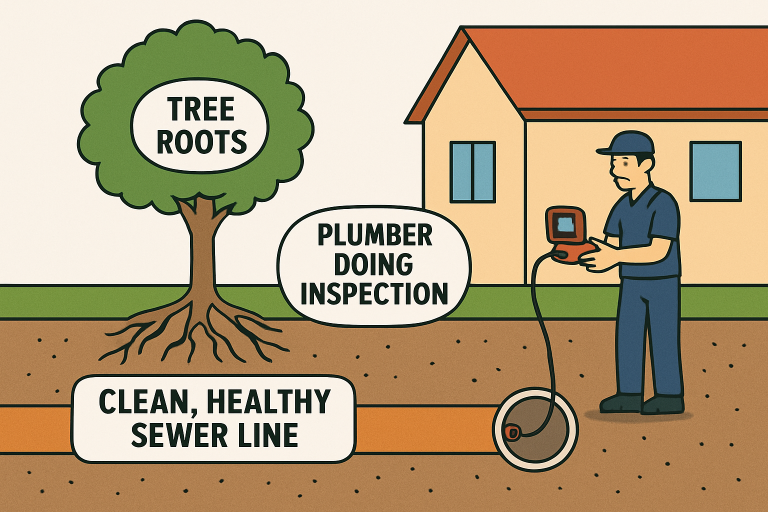
Setting up annual or biannual sewer line inspections is one of the best defenses against costly plumbing disasters. Licensed plumbers can perform advanced camera inspections that reveal hidden problems such as tiny cracks, invading tree roots, or minor blockages before they become dangerous. By identifying these issues early, homeowners can prevent problems such as sewage backups, pipe leaks, and even major water damage. According to Family Handyman, timely inspection and intervention help reduce your risk of unexpected emergencies and prolong the life of your plumbing infrastructure. Having professionals regularly check your system can also help you plan for future upgrades or maintenance with less panic and more confidence.
Investing in regular inspections is far more affordable in the long term compared to the high cost of emergency excavations or flood restoration. By working with experienced, reputable plumbing professionals, you gain insights into your system’s health and receive recommendations tailored to your property’s unique needs, such as additional cleanouts or pipe relining for older homes. Documenting each inspection can also assist in home sales, assuring future buyers of a well-maintained sewer system.
Practice Proper Waste Disposal
Improper waste disposal practices are the most common cause of clogs in your home’s plumbing system. Even objects that seem harmless, such as coffee grounds, cooking grease, or so-called “flushable wipes”, can accumulate deep in the plumbing, eventually creating dense, stubborn blockages that become difficult and costly to remove. Always dispose of oils and non-degradable items in the trash, and only flush human waste and toilet paper. This simple habit change significantly reduces your risk of slow drains, sewer backups, and costly repairs that can disrupt daily life.
Educating every member of your household, including young children, on what should and should not go down the drain creates a line of defense for both your pipes and your bank account. A good rule of thumb is to remember the 3 P’s: only pee, poop, and (toilet) paper go in the toilet. Maintaining this standard not only protects your home but also benefits your entire neighborhood. According to the United States Environmental Protection Agency, improper household waste disposal actually contributes to community-wide issues such as sanitary sewer overflows, which can pollute water sources and increase utility maintenance costs for everyone.
Consider placing clear reminder signs in laundry rooms and near sinks. This extra step can be especially helpful for house guests or tenants who may not understand your home’s plumbing sensitivities.
Manage Tree Root Intrusion
Tree roots searching for water and nutrients can cause some of the most serious and expensive damage to sewer lines. Roots are naturally drawn to the moisture and warmth inside pipes, and even a tiny crack can be an open invitation for roots to invade. Over time, these roots may grow thick enough to create significant complete blockages, collapse your pipes, and even cause raw sewage leaks right on your property. Sometimes, homeowners may not even realize the danger until it’s too late and costly excavation is needed.
To reduce the risk, choose the correct locations for new trees, avoid planting water-hungry species near sewer lines, and consider installing physical root barriers. Regularly assess older pipes, especially in homes more than 30 years old, for vulnerabilities or cracks. By consulting both a local arborist and an experienced plumber, you can create a landscaping plan that supports beautiful greenery while also safeguarding your underground plumbing. Preventive root management is especially vital if you have mature trees or shrubs near the home.
Be Alert to Warning Signs
Never ignore the warning signs coming from your home’s plumbing system. Paying close attention to slow-draining sinks, frequent backups, unusual foul odors, or strange gurgling noises from drains can provide an early alert to potentially serious sewer line issues. These subtle symptoms, although easy to brush aside, should always be investigated promptly when they appear. Taking prompt action can prevent a minor concern from rapidly escalating into an emergency requiring excavation and significant repair work.
Homeowners who are proactive in addressing these signals are often rewarded with small, manageable repairs and minimal disruption to their daily lives. On the other hand, ignoring these signs can lead to far more serious and costly plumbing problems in the future. If in doubt, schedule professional diagnostics; early detection makes all the difference and can be the simplest step toward long-term savings.
Implement Preventative Maintenance
Preventive maintenance is an ongoing commitment that pays huge dividends in the long run. In addition to investing in regular sewer line inspections, homeowners can take further steps to safeguard their plumbing system. Using enzyme-based drain cleaners can help gently and safely clear away organic matter without corroding old pipes, as harsh chemical cleaners often do. Scheduling professional clean-outs from a licensed plumber before problems even start helps eliminate hidden buildup and keeps your sewer system healthy.
Keeping gutters clear of debris and directing downspouts away from your home’s foundation supports your sewer system by managing water flow and reducing the risk of excess ground moisture seeping into pipes. Unchecked water runoff around the foundation can weaken or crack underground plumbing, often leading to hidden leaks and future headaches. For more comprehensive plumbing care tips, consult trusted resources like Better Homes & Gardens.
In addition, consider annual reviews of your entire plumbing layout, identify any aging pipes that may need replacement, and note areas vulnerable to shifting soil or freezing temperatures. Proactive action today saves money, time, and unnecessary worry down the road.
Conclusion
Protecting your home’s sewer line does not require significant investment, just careful attention, routine upkeep, and informed choices. Homeowners who prioritize regular inspections, stay vigilant for warning signs, and are mindful of what flows down the drain are the ones most likely to enjoy years of uninterrupted plumbing. Small changes in daily habits and periodic expert checks can spare you from future inconveniences, extensive messes, and the financial burden of emergency repairs. Should you need help, always turn to trusted professionals who put your home’s long-term health first.