Few household disruptions are as jarring as a water heater that suddenly fails. Whether it is cold showers, laundry left unfinished, or even potential water damage, a broken water heater can grind your daily routine to a halt. Acting fast is essential to minimize inconvenience and prevent costly or hazardous consequences. If you need expert help in Hawaii, learn more about water heater repair in Maui for reliable local service.
Understanding the early warning signs, immediate safety measures, and when to engage a professional is crucial for any homeowner. A few simple steps and ongoing maintenance can keep your hot water flowing and your property protected, both now and in the future.
Aside from immediate disruption, unresolved water heater problems can lead to mold, structural damage, and even safety hazards. Preventive care and knowing the right steps to take are your best defenses.
Industry statistics show that regular maintenance can increase your water heater’s lifespan and help prevent critical emergencies. According to the U.S. Department of Energy, routine inspections and upkeep also enhance energy efficiency and reduce the risk of failures. For more information, visit their water heating page.
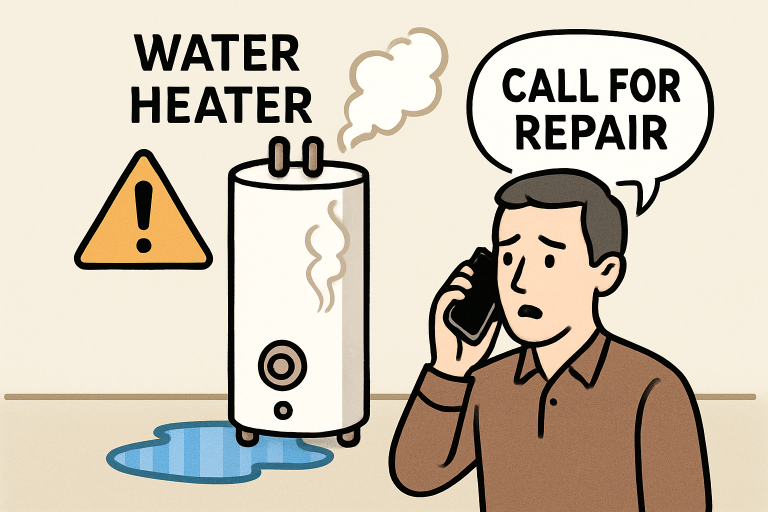
Table of Contents
Common Signs of Water Heater Failure
Spotting early signs of a water heater malfunction can help you address problems before they escalate. Delayed action may result in costlier repairs and property damage. Watch for these red flags:
- Inconsistent Water Temperature: Sudden changes from hot to cold or fluctuations signal issues with the heating element or thermostat.
- Unusual Noises: Sounds like banging or popping indicate sediment buildup, which lowers efficiency and can cause overheating or tank damage.
- Discolored Water: Rusty, brown, or murky water may point to internal corrosion or a failing anode rod.
- Water Leaks: Moisture or puddling near the heater base suggests possible tank cracks or faulty seals.
Immediate Steps to Take During a Water Heater Emergency
Time is critical during a water heater emergency. Respond quickly and follow these steps to ensure the safety of your household and property:
- Turn Off the Power Supply: Switch the electrical breaker to the off position for electric heaters, or turn the gas control valve off for gas units.
- Shut Off the Water Supply: Twist the cold-water inlet valve above the heater clockwise to stop water from entering the tank.
- Drain the Tank (If Safe): Connect a garden hose to the tank’s drain valve and direct water to a safe location, such as a floor drain or outside. Be cautious as the water may be hot and could cause burns.
When to Call a Professional
While some simple fixes can be handled by homeowners, there are critical scenarios where professional expertise is a must:
- Persistent Leaks: Ongoing leaking may signal irreparable tank damage or compromised plumbing connections.
- No Hot Water: If your water remains cold despite basic troubleshooting, failed internal components or other complex problems may be to blame.
- Gas Smell: Any gas smell, especially sulfur or rotten-egg odor, indicates a leak. Leave your home and have a professional address. This dangerous issue must be addressed immediately.
Enlisting a certified plumber or technician is the safest route for troubleshooting and resolving these major problems.
Preventive Measures to Avoid Future Emergencies
Reducing the risk of water heater emergencies starts with a commitment to regular maintenance. Adopting a few preventative habits goes a long way:
- Annual Professional Inspections: Schedule yearly evaluations to detect corrosion, faulty connections, and potential failures.
- Flushing the Tank: Drain and flush the tank every 6 to 12 months to remove sediment that can cause overheating and inefficiency.
- Monitor the Anode Rod: Inspect this critical part every couple of years and replace it as needed to prevent internal corrosion.
The U.S. Department of Energy’s water-heating tips further emphasize that routine maintenance supports reliable hot water and better energy savings.
Understanding When Replacement Is Necessary
Most traditional water heaters typically last 10 to 15 years. If your unit is reaching this age and facing frequent issues, investing in a new appliance is often more economical than pursuing repeated repairs. Upgrading to newer, more efficient models can mean lower energy bills and a lower risk of future emergencies.
Conclusion
Quick, informed actions are key when a water heater emergency strikes. Recognize the warning signs, secure your safety, and reach out to professionals when necessary. Pairing these habits with proactive maintenance helps ensure your hot water stays reliable and your property remains protected from unwanted water damage or hazards.